
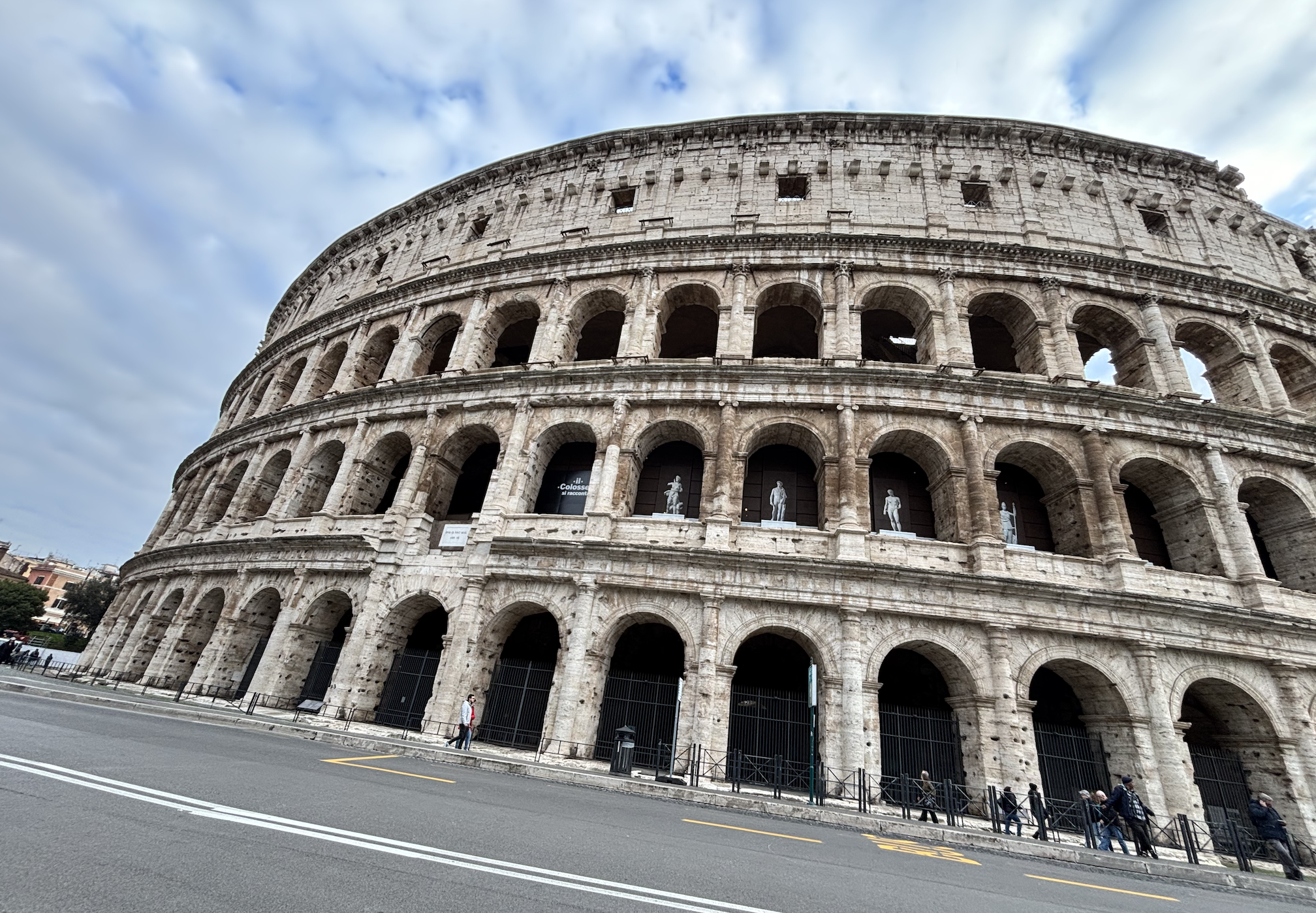
7 Days in Rome: Famous Landmarks and Hidden Gems
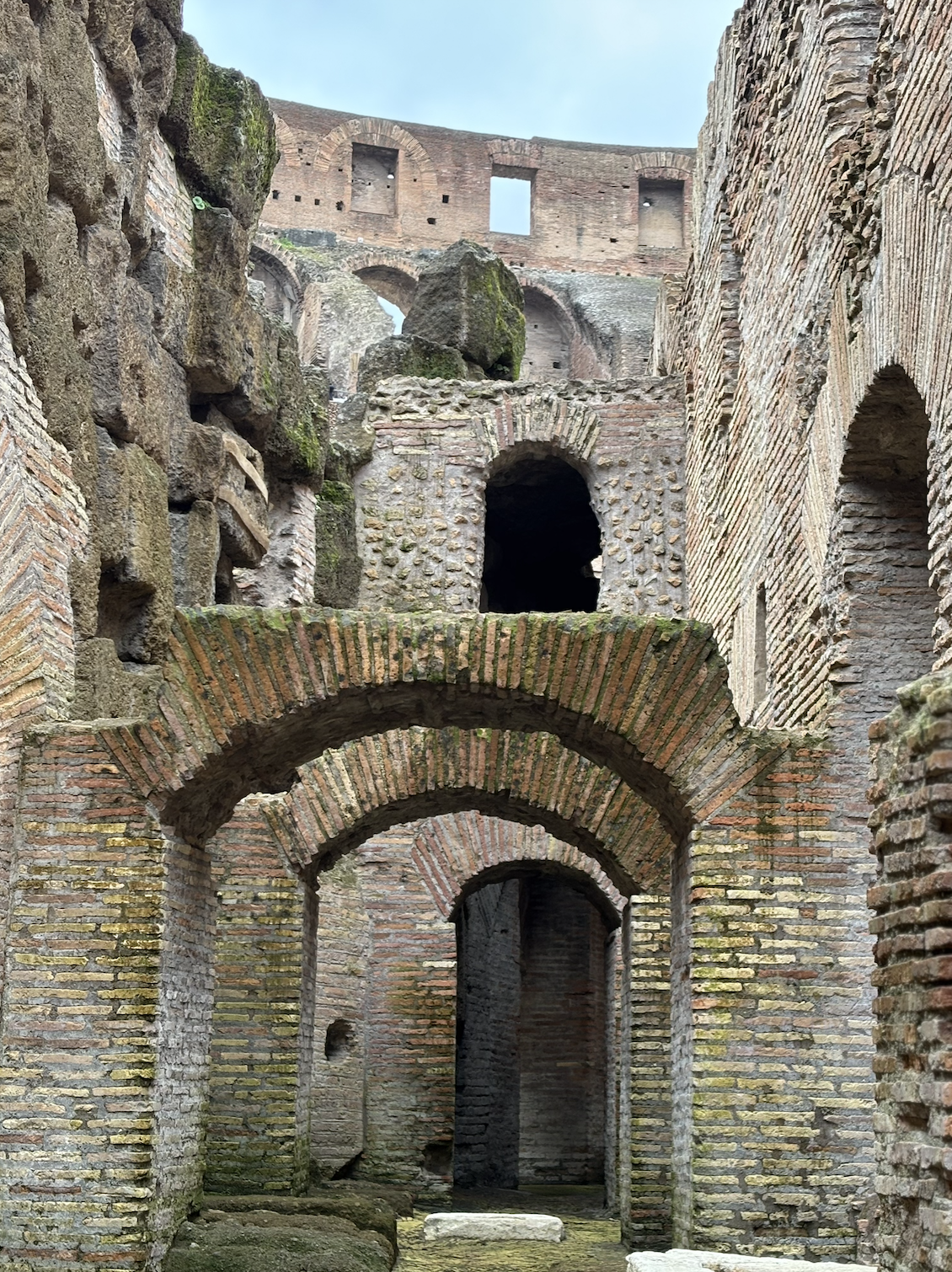
DAY 1: Gladiators & first glimpses
📍 Day 1 Overview:
Beneath the Arena: Colosseum Underground Tour, where the gladiators waited before the games
Walk Ancient Rome: Roman Forum tour and the Ludus Magnus gladiator training ruins
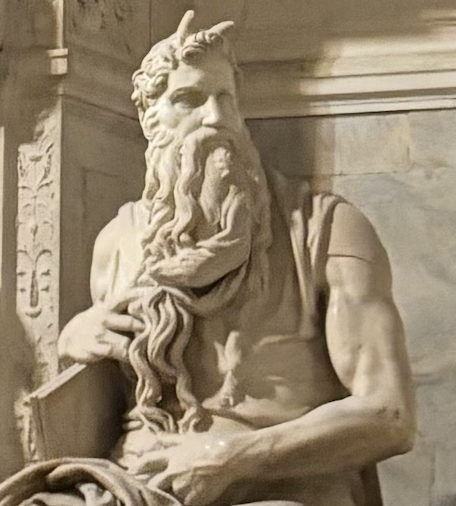
Meet Moses: Michelangelo's masterpiece at San Pietro in Vincoli
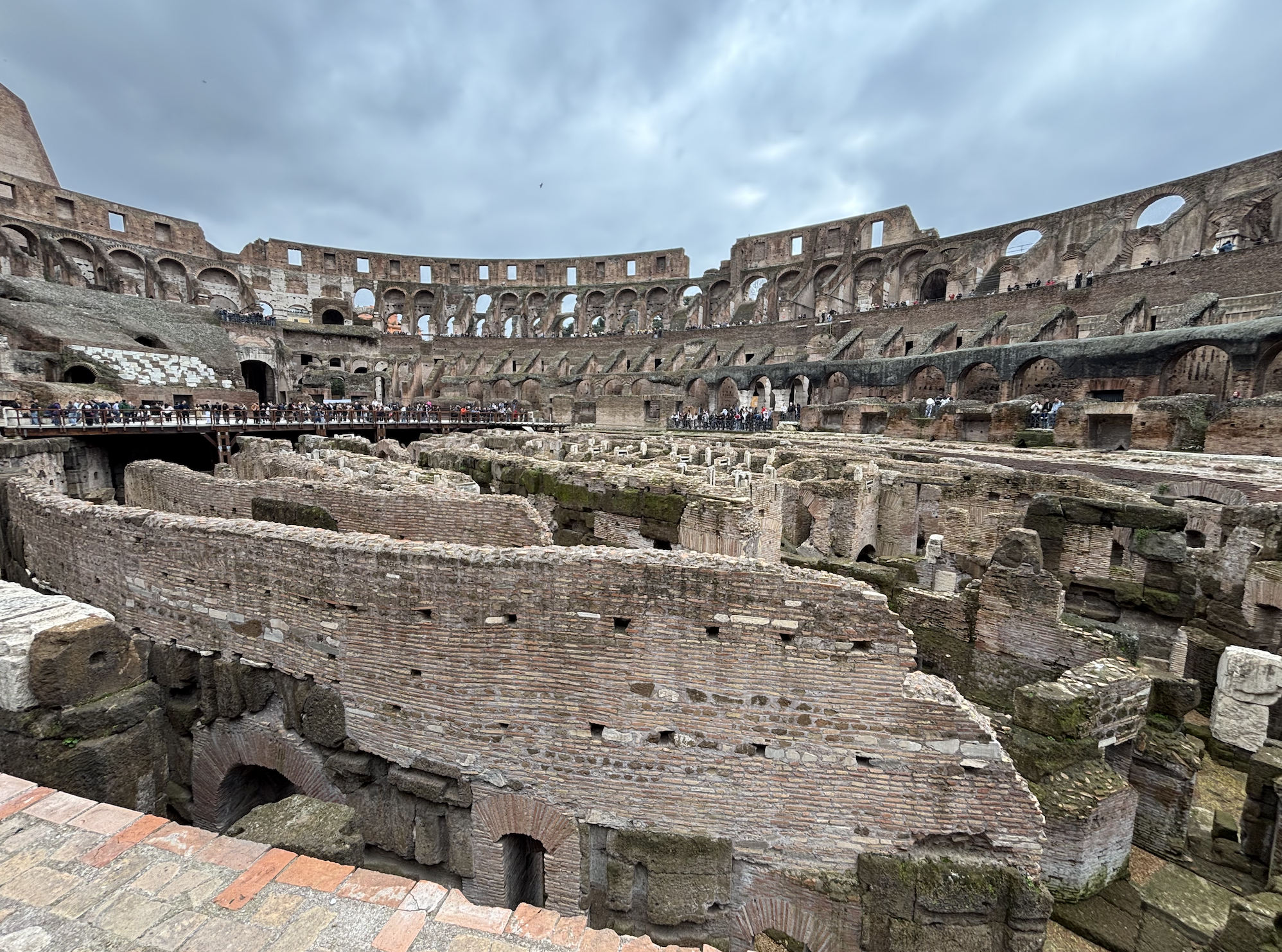
Colosseum underground tour
Going beneath the arena floor was like stepping into another world. It was cool, damp, and strangely calm after the chaos outside. Narrow stone corridors lead past ancient artifacts, reconstructed gladiator gear, and the hidden passageways where animals and fighters waited. Then you step onto the arena floor and look up at the towering seats that once held 50,000 spectators. The tour ends in the "cheap seats" with a full view of the arena. It's the difference between seeing the Colosseum and experiencing it.
💡 Pro tip: Book the Underground Tour well in advance, since spots are limited and sell out. It also lets you skip the general admission lines. Plan on about two hours for the tour, then continue on to the Roman Forum and Palatine Hill while you're nearby.
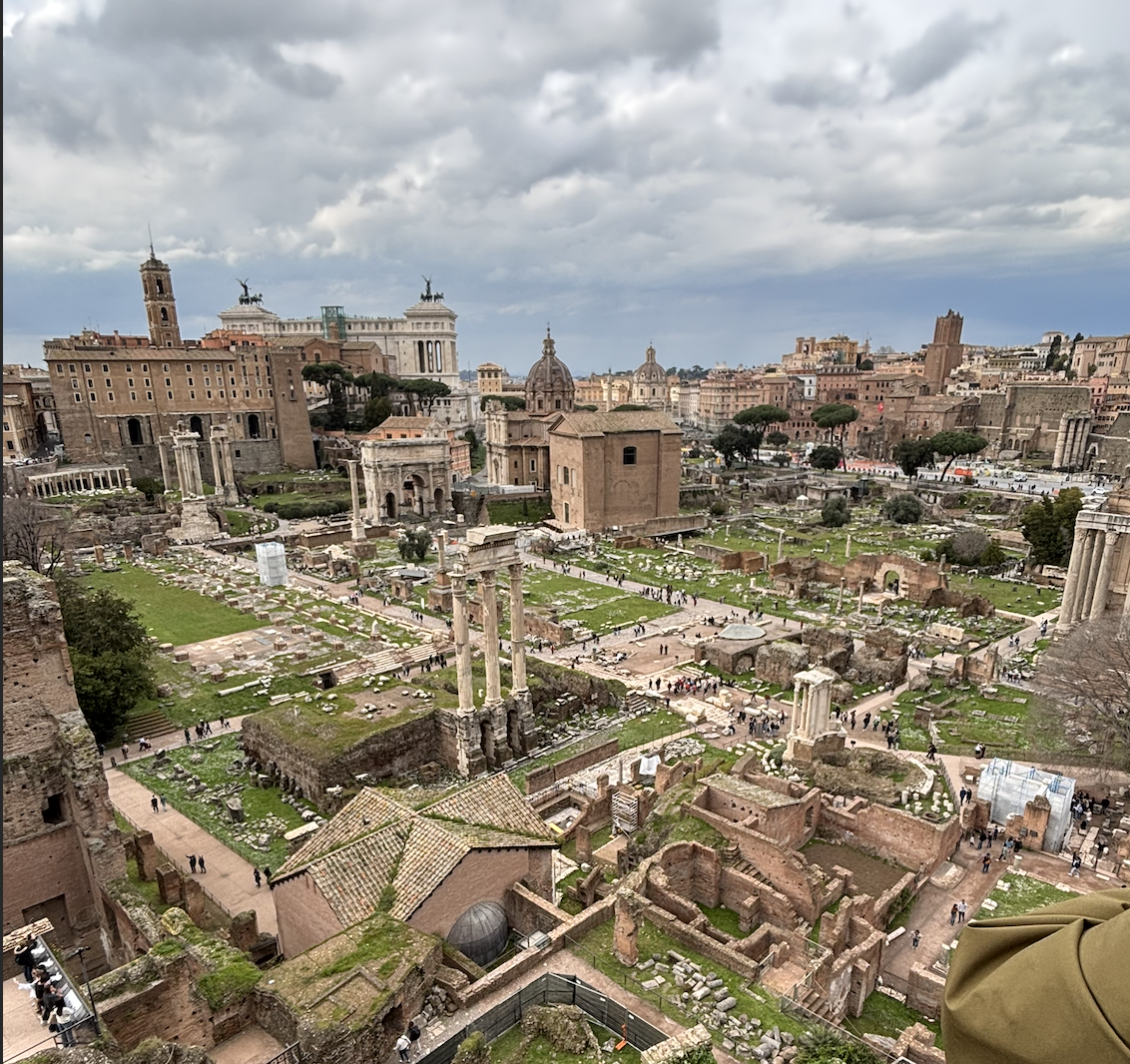
Walking ancient Rome
After the Colosseum, we kept the ancient Rome vibe going with a walk through the Roman Forum. This was the center of Roman life, where senators debated, emperors celebrated, and everyone in between went about their day. Crumbling columns, old temple ruins, and the Arch of Titus make it easy to picture how busy it all once was. Then we made a quick stop at the Ludus Magnus, the ruins of the gladiator training school right next to the Colosseum. You can see the outline of the small training arena where gladiators practiced before the big games. It's a short, quiet stop that most people walk right past, and it makes the whole Colosseum story click.
💡 Pro tip: The Forum has very little shade, so wear comfortable shoes, bring water, and use sunscreen or a hat, especially in summer. The Ludus Magnus is easy to see from the street and only takes a few minutes, so add it to your walk while you're already nearby.
Michelangelo's Masterpiece, Tucked Away
Michelangelo's Moses is massive, powerful, and almost impossibly lifelike. He's seated, but his posture has so much energy that he looks ready to stand at any moment. You can see the tension in his arms, the raised veins, and those perfectly sculpted curls of his beard. It's the kind of piece that makes you wonder, "how is this marble?" Best of all, it's tucked inside a quiet church just minutes from Rome's busiest landmarks.
💡 Pro tip: San Pietro in Vincoli is a short walk uphill from the Colosseum, so it's an easy follow-up once your tour wraps up. Go in the afternoon after the crowds of the Colosseum and Forum, and take your time circling the statue to catch the details from different angles. Keep in mind it's a working church, so dress modestly with shoulders and knees covered.
DAY 2: Rome by Vespa
📍 Day 2 Overview:
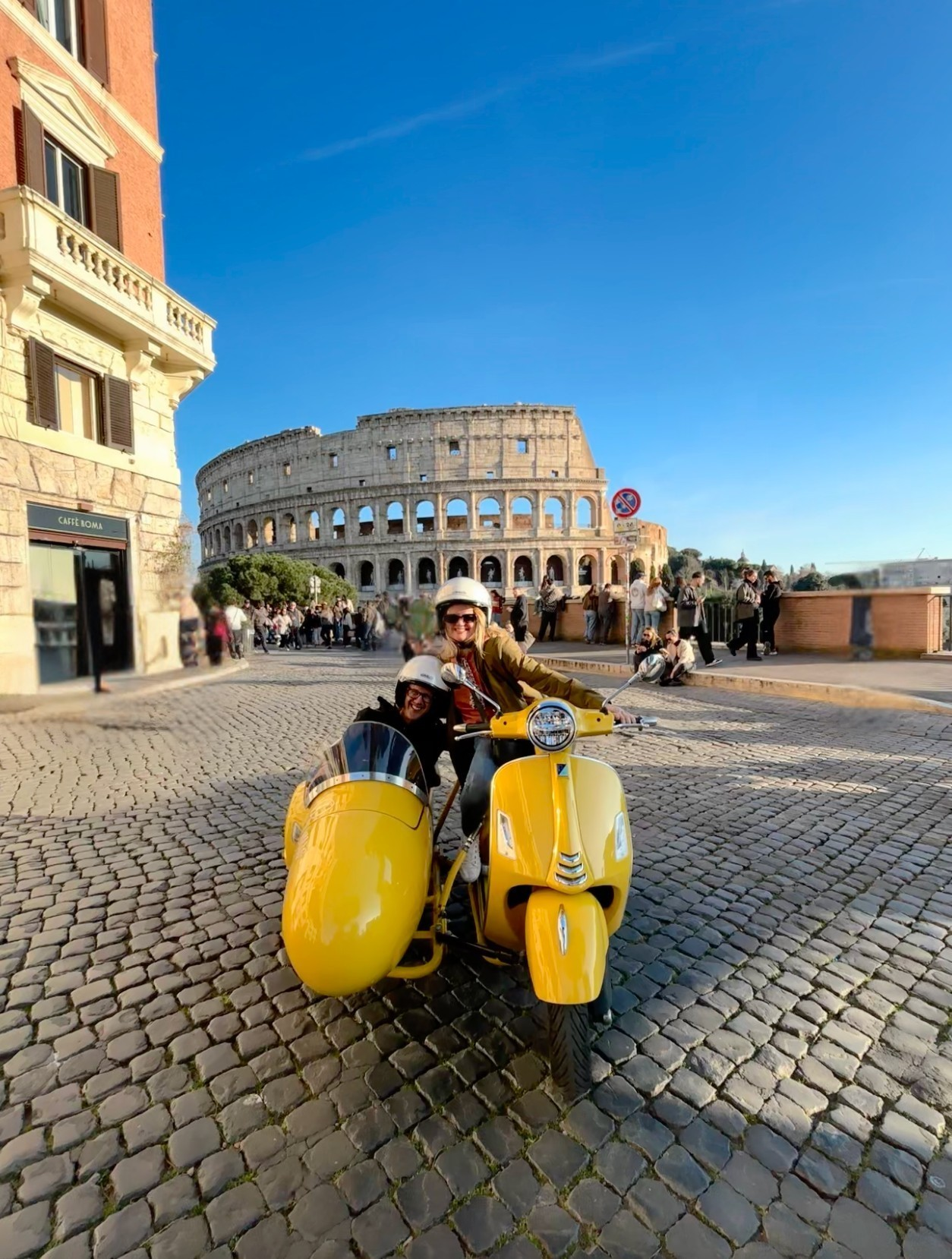
Vespa sidecar tour through Rome’s most iconic landmarks
Stops at Trevi Fountain, the Pantheon, Piazza Navona, St. Peter’s Square, and Gianicolo Hill
See Rome in a sidecar
12 stops, one sidecar
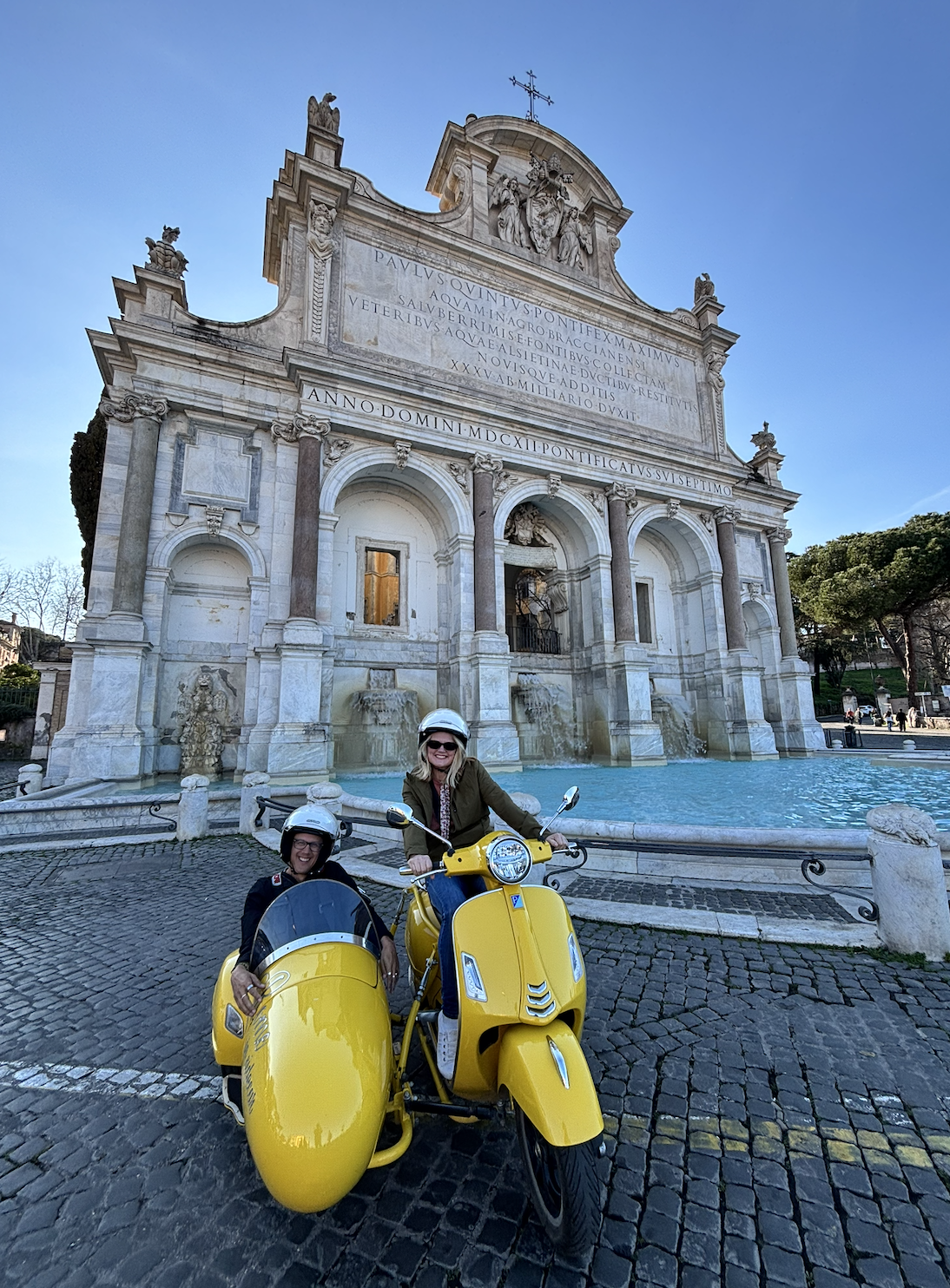
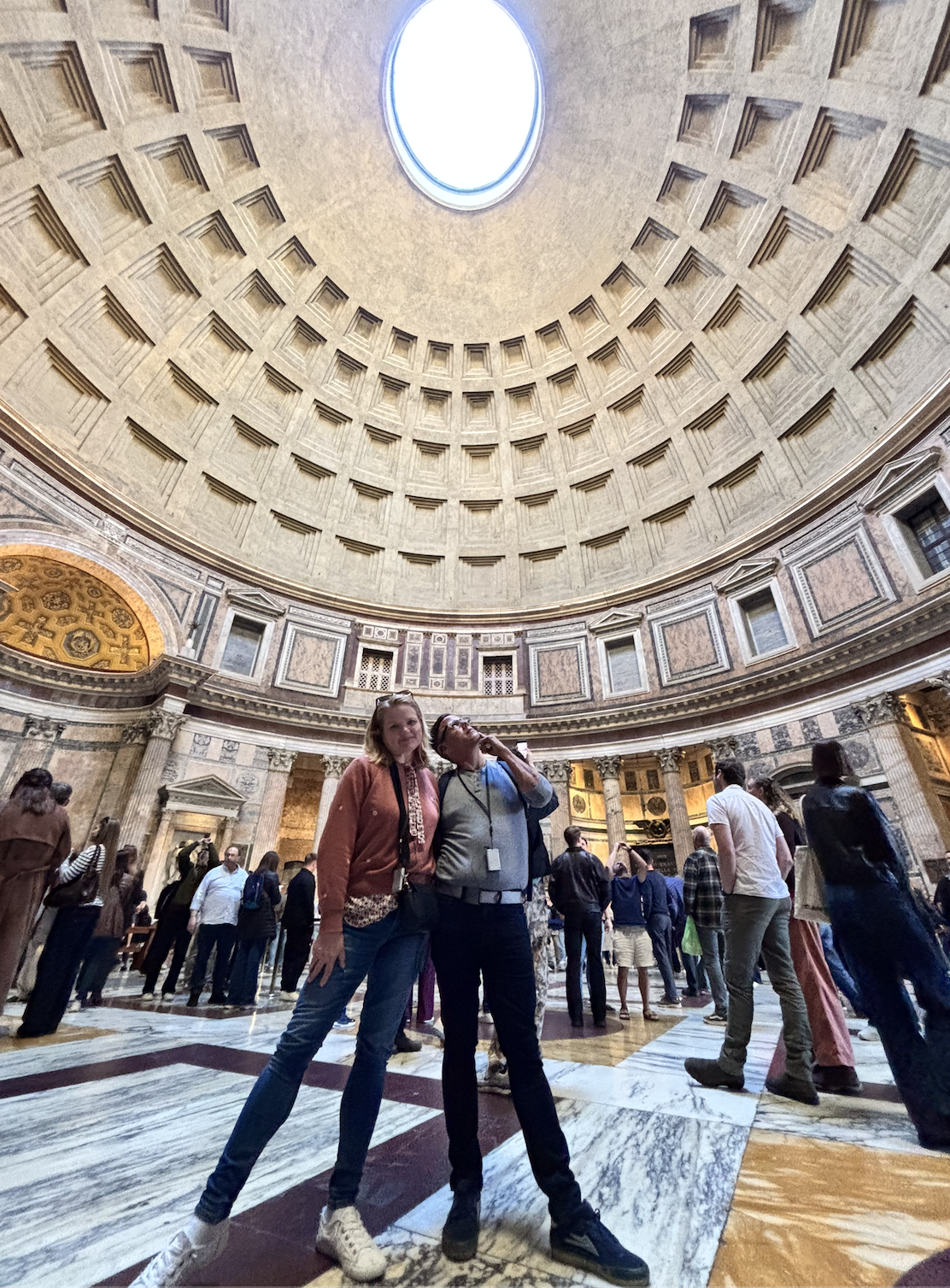
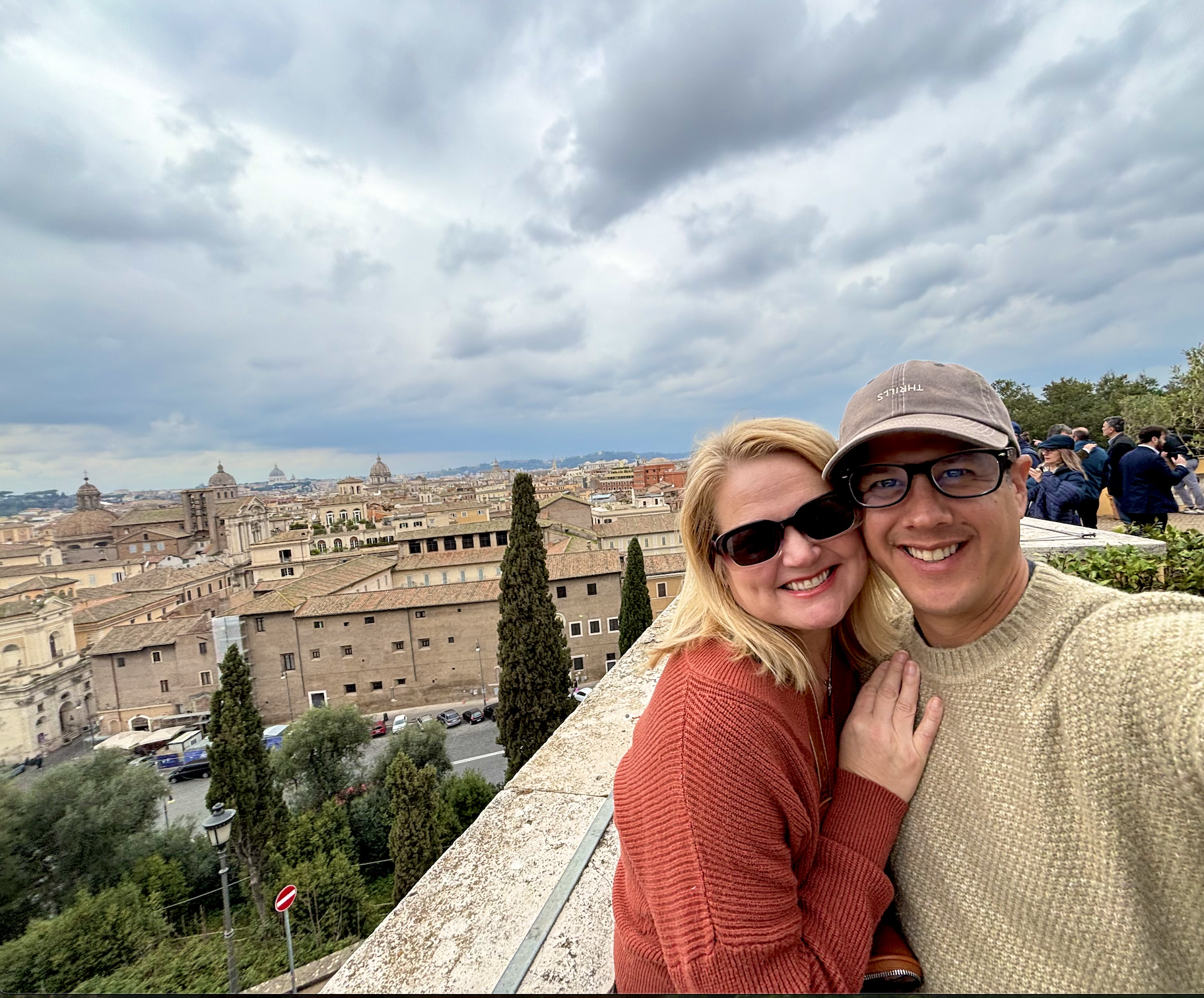
In just a few hours, you'll hit 12 iconic spots across Rome, all from the seat of a Vespa sidecar. Toss a coin in the Trevi Fountain, step inside the Pantheon and look up at that oculus, and pose in front of the Colosseum. Then you'll reach Gianicolo Hill, the surprise showstopper. The panoramic view of Rome from up there is one of the most stunning in the city, and you may never have heard of it. Your guide makes it even better. He tells the stories behind each stop and knows exactly where to pull over and how to pose you for the best photos.
💡 Pro tip: Bring a fully charged phone or camera, because you'll want photos at every stop. Let your guide direct the shots, since they know the best angles and how to slip you in at busy spots like the Trevi Fountain. Save a little time and battery for Gianicolo Hill, and take a slow look around when you get there.
Short on time and tired of making decisions? Book the Vespa Sidecar Tour. You'll ride through Rome in a vintage sidecar, hit several major landmarks, and hear stories from a local guide who knows the city inside out. Schedule it for your second full day, once the jet lag is gone and you've learned the buses and trams. You'll be ready to take it all in instead of rushing from stop to stop. Your guide might also surprise you with something new, like the world's oldest public museum, and you'll want to add it to your list.
💡 Pro tip: Book the tour early in your trip, on day two or three, so it works as a preview of Rome. Note the spots you love, then come back to explore them on foot. Ask your guide for local tips, and be ready to change your itinerary. The best discoveries often come from the stories you hear along the way.
DAY 3: Hidden Gems & Historic Rome
Don't Skip the World's Oldest Museum
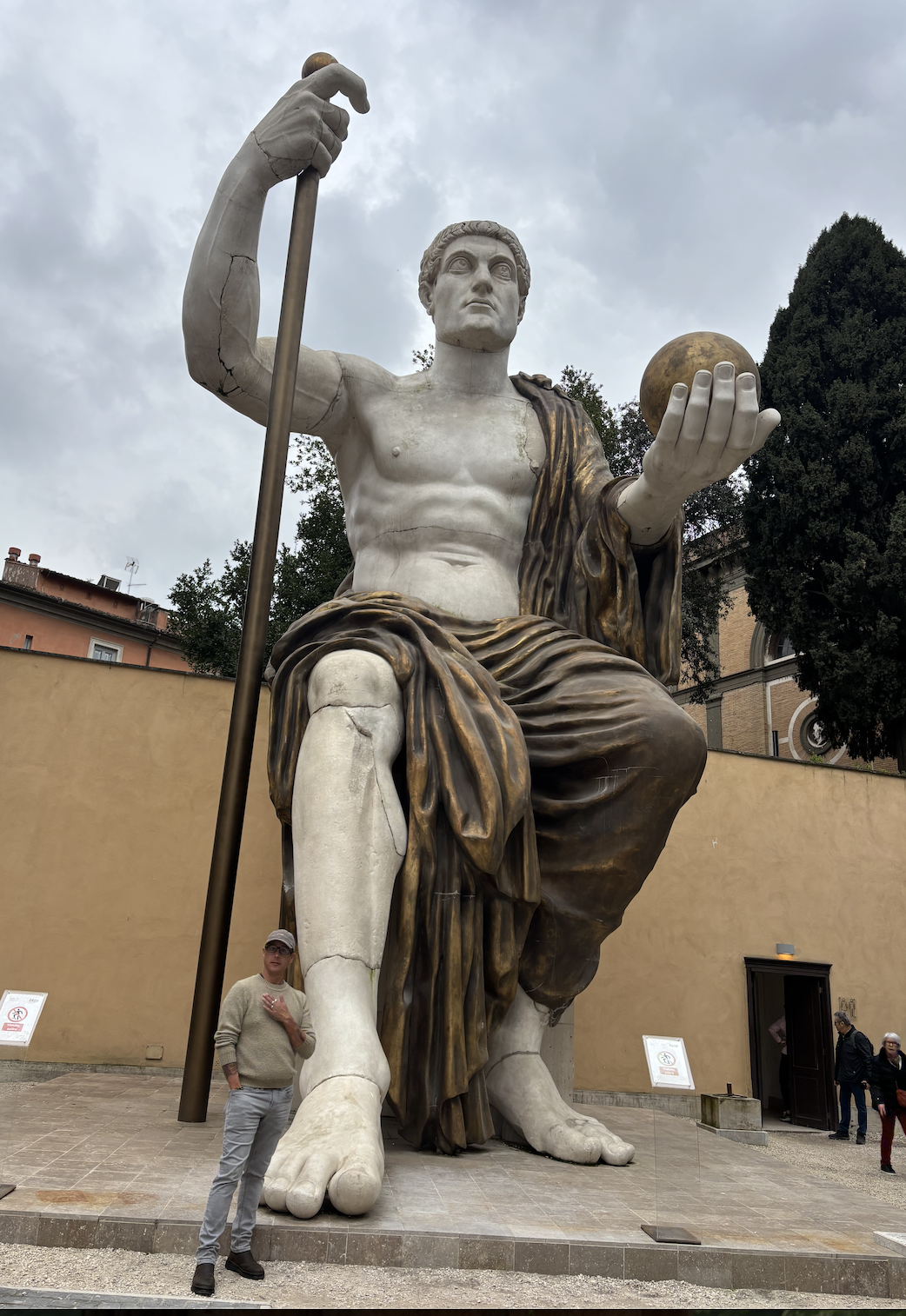
With so much to do in Rome, it's easy to skip the Capitoline Museums. Don't. This is the world's oldest museum, and it's packed with highlights. You'll see an actual ancient Roman chariot, a massive emperor statue, and some of Rome's most iconic pieces. Then head all the way to the top, grab a coffee, and take in one of the best views in the city. You can see it all in about an hour, so it fits easily into a busy day.
💡 Pro tip: Go up to the café and terrace for the view, and plan on about an hour for your visit. The museums are on Capitoline Hill right by Piazza Venezia, so they pair well with other nearby stops. Visit after the Vespa tour, since your guide will have given you the backstory.

Rome's Churches, Made Easy
Rome has more than 900 churches, so how do you choose? Follow this easy afternoon route. Start at San Clemente, where you'll walk down through layers of history. Then head to Santa Prassede, which looks simple outside but has unreal mosaics inside. Finish at Santa Maria Maggiore, a huge, iconic basilica and one of the most beautiful in Rome. You'll see three completely different churches in one easy walk.
💡 Pro tip: Start at San Clemente, since the trip down through the layers takes the most time. Wear comfortable shoes, and dress modestly with shoulders and knees covered, since these are working churches. Take a moment inside Santa Prassede to look up at the mosaics, because it's easy to rush past them.
Visit the Capitoline Museums
Explore Basilica di San Clemente (layers of ancient Rome
beneath the church)
Stop by Basilica di Santa Prassede (Byzantine mosaics)
Visit Basilica di Santa Maria Maggiore
Pompeii: Tour First, Wander Second
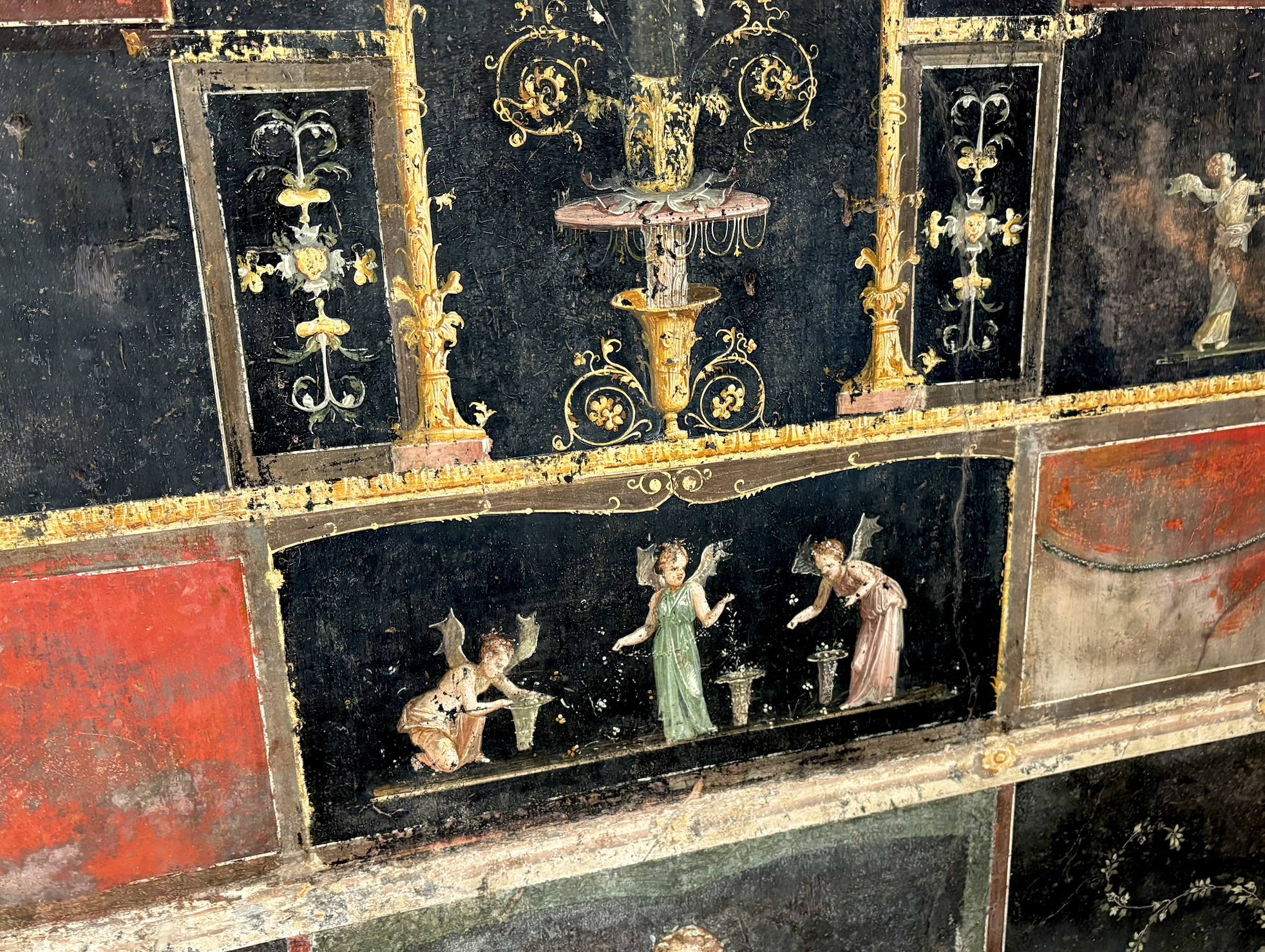
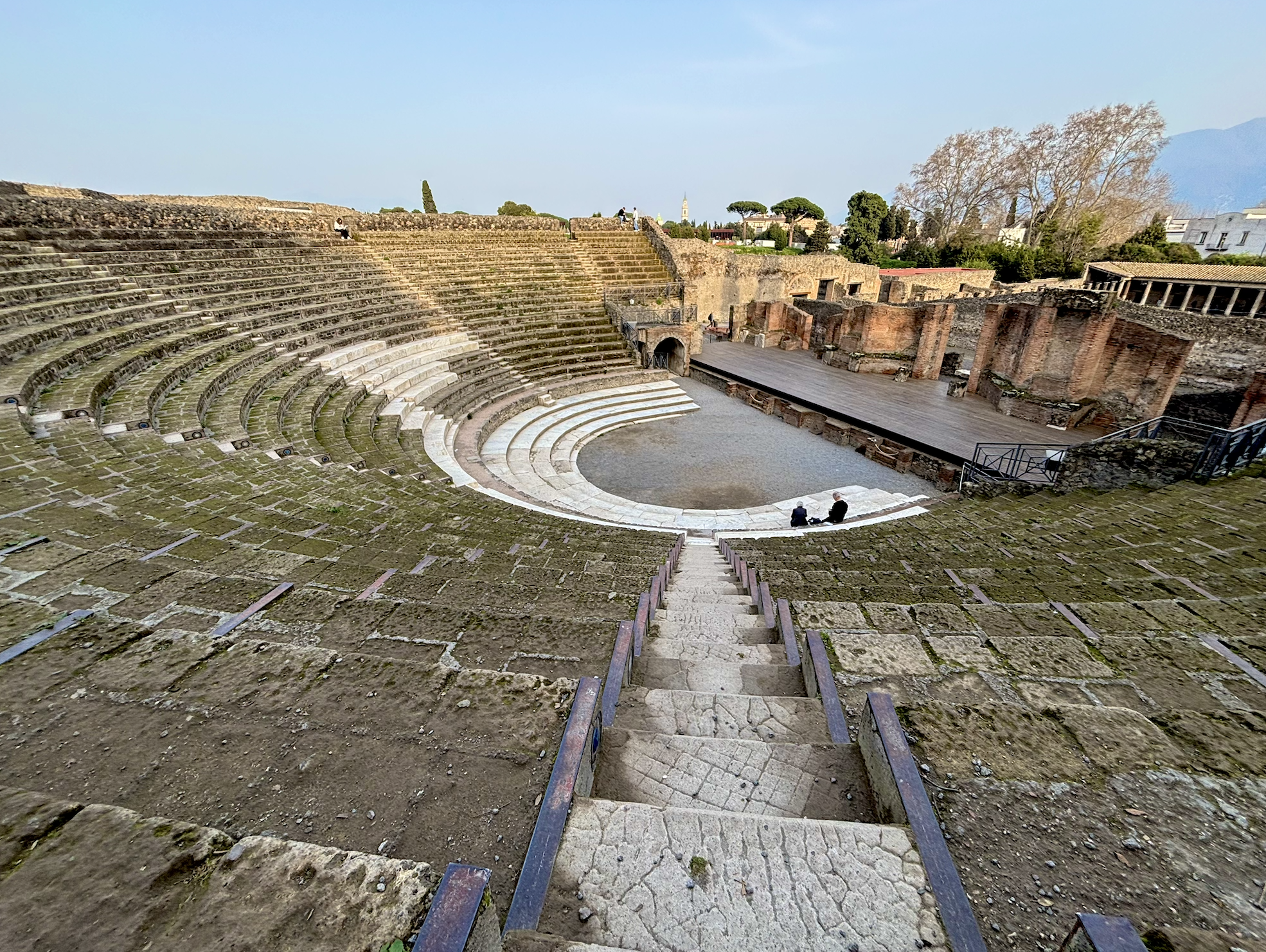
Pompeii is comically, unexpectedly huge, and if you wander in without a guide, you'll miss the best parts. A guide takes you straight to the highlights, including the spots tucked down side streets with no obvious signage. They also give you the context that makes it all hit. Without it, you're just looking at old walls. With it, you're living inside history. Do the guided tour first, then give yourself time to wander on your own and revisit your favorite spots at your own pace.
💡 Pro tip: Book your guided tour first thing in the morning, and plan for several hours at the site. Wear comfortable shoes, bring water, and pack sun protection, since there's very little shade. Save time afterward to explore on your own. Pompeii is also an easy day trip from Rome by high-speed train and local train, so plan for travel time on both ends.
DAY 4: Day Trip to Pompeii
📍 Day 4 Overview:
Morning: Hop a high-speed train from Rome to Pompeii
Tour Pompeii with a guide